


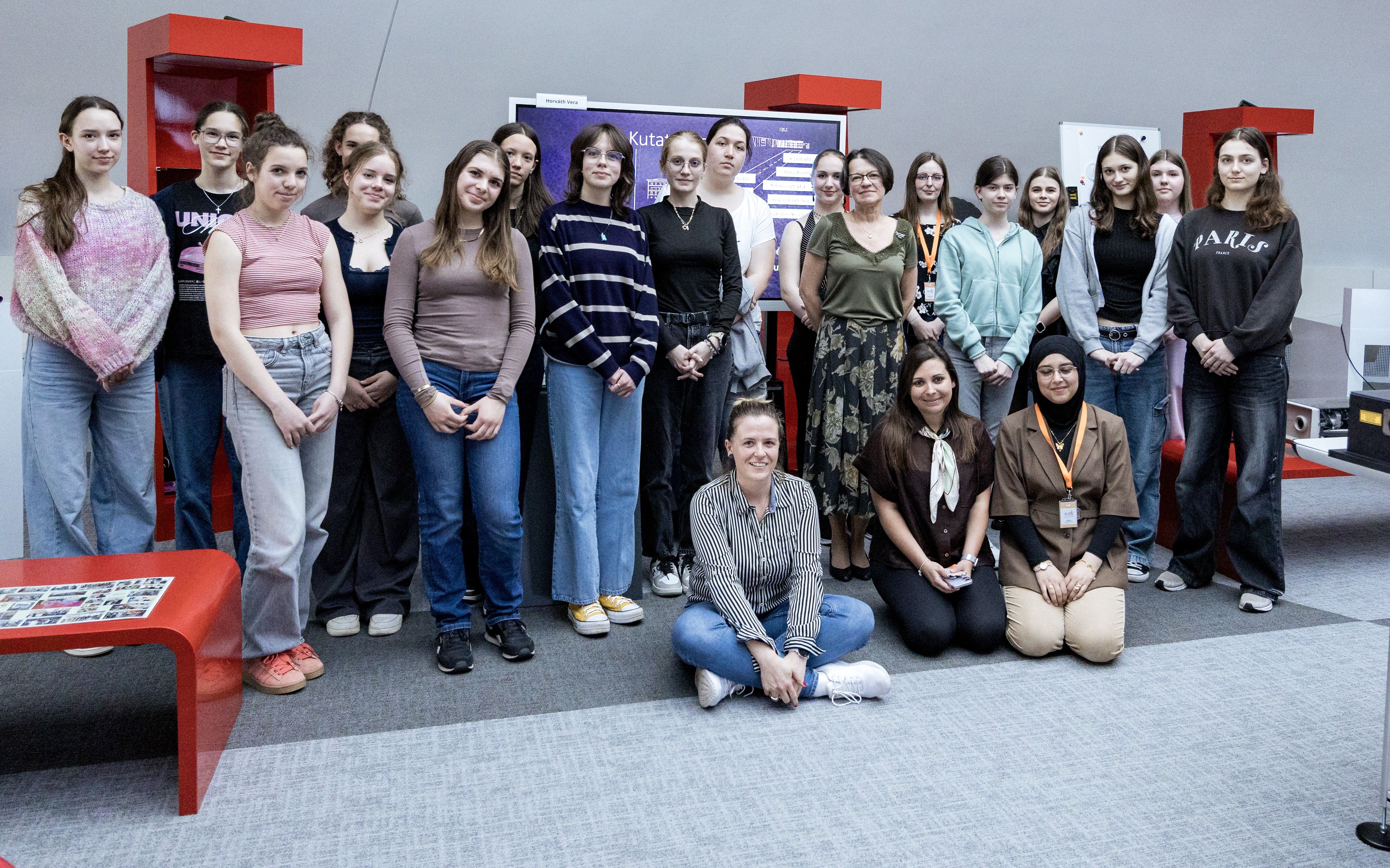
We invited secondary school girls to a two-hour programme designed specifically for them, because we believe that exploring nature is a shared responsibility for all of us, regardless of sex. Statistics, however, show that boys are more likely to choose careers in natural sciences, while girls often head in a different direction. With our annual event, we aim to highlight that the world of natural sciences is open to everyone. It was in this spirit that we organized the Girls’ Afternoon event, which this time was attended by 17 secondary school girls.
After registration, our visitors toured the research facilities in small groups. Since even a single strand of hair or a single speck of dust can affect the measurements, visitors are required to wear hairnets, lab coats, and cleanroom shoe covers in certain laboratories. Our guests were delighted already by donning these items, but what awaited them inside was truly exciting for them.
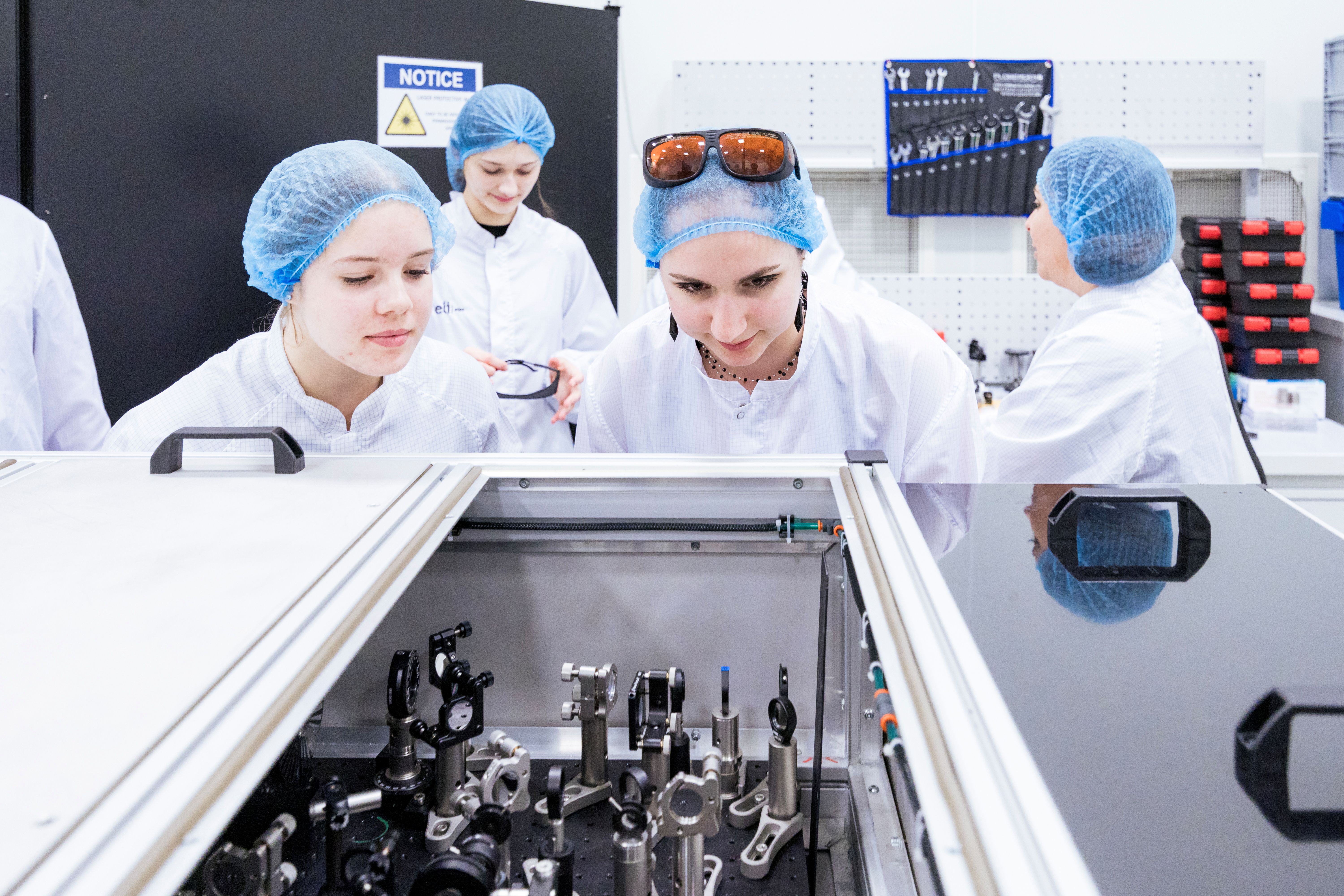
Some visitors toured the Nanofabrication and Scanning Electron Microscopy Laboratory, while others could take a look at NanoESCA. The latter is a photoemission electron microscope (PEEM), one of the key experimental endstations at ELI ALPS serving research in nanooptics and materials science. Dr. Nikolett Oláh, who guided the guests, acknowledged that this instrument is the most complex one she has encountered as a researcher.
Dr. Szanna Zsíros, a research fellow in the Condensed Matter Attoscience Group, was delighted to participate in this programme, as she is deeply committed – both as a researcher and a teacher – to supporting and motivating young people to explore science. “I regularly participate in events that promote science and share knowledge, because when I was young, I also found it exciting to hear about science firsthand from researchers and to get a glimpse into their professional environment. For me, the most formative experiences included the lessons held by my secondary school physics teachers, as well as their enthusiasm for science and their attitude,” said Szanna, who graduated with a degree in physics from the University of Szeged and went on to write her doctoral dissertation on a topic in astrophysics.
She joined the ELI ALPS team last August, where she began working in attophysics. It may seem surprising at first, but she believes there are many similarities between astrophysics and attophysics, and the skills she has acquired through her studies and research can be put to excellent use in both fields. She believes that science opens a window onto the world around us and helps us shape our future. This is why she considers it important for more and more young people to learn about ELI ALPS.
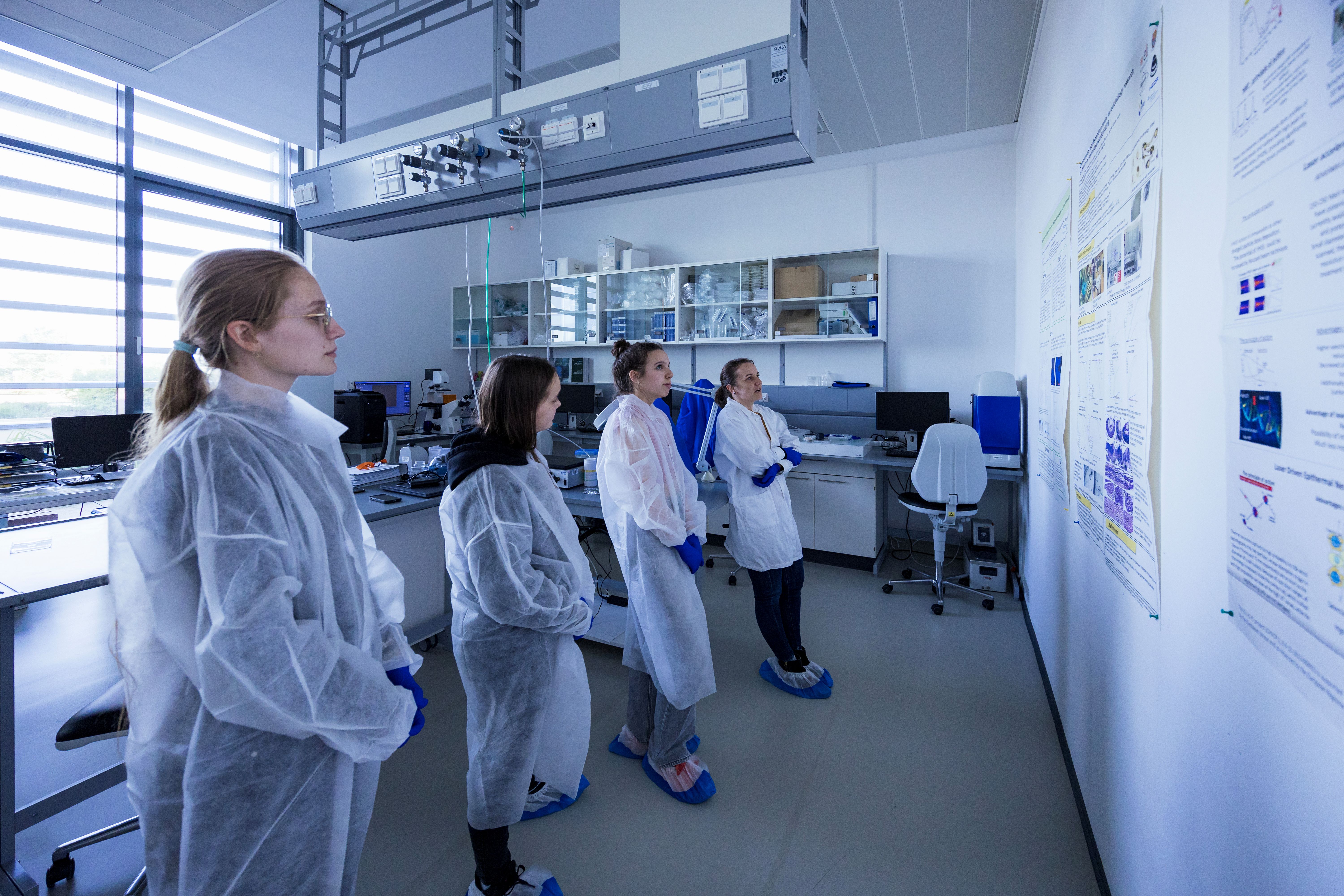
Jázmin Császár, a year nine student at Deák Ferenc Secondary Grammar School in Szeged, had been planning to attend this workshop for a long time. Her school offers a strong physics programme, but she sometimes feels that the curriculum does not cover the topics that truly interest her. “One such topic is the world of lasers, which the researchers have just told us about. A laser is much more than a simple light source,” said Jázmin, who was fascinated by her visit to the NanoESCA lab. The student, who has not yet decided on her career path, first heard about our event from her physics teacher, and then from her father, who emailed her our announcement.
“I decided back in year seven, when I started learning physics, that I really loved it and that I was going to study physics. A lot of people consider me weird for choosing this subject despite being a girl,” said Dalma Sziládi, a year ten student at Móra Ferenc Secondary Grammar School in Kiskunfélegyháza, who is drawn to a career in mechanical engineering. Our event was brought to her attention by her physics teacher, but her mother, a food engineer, also encouraged her participation.
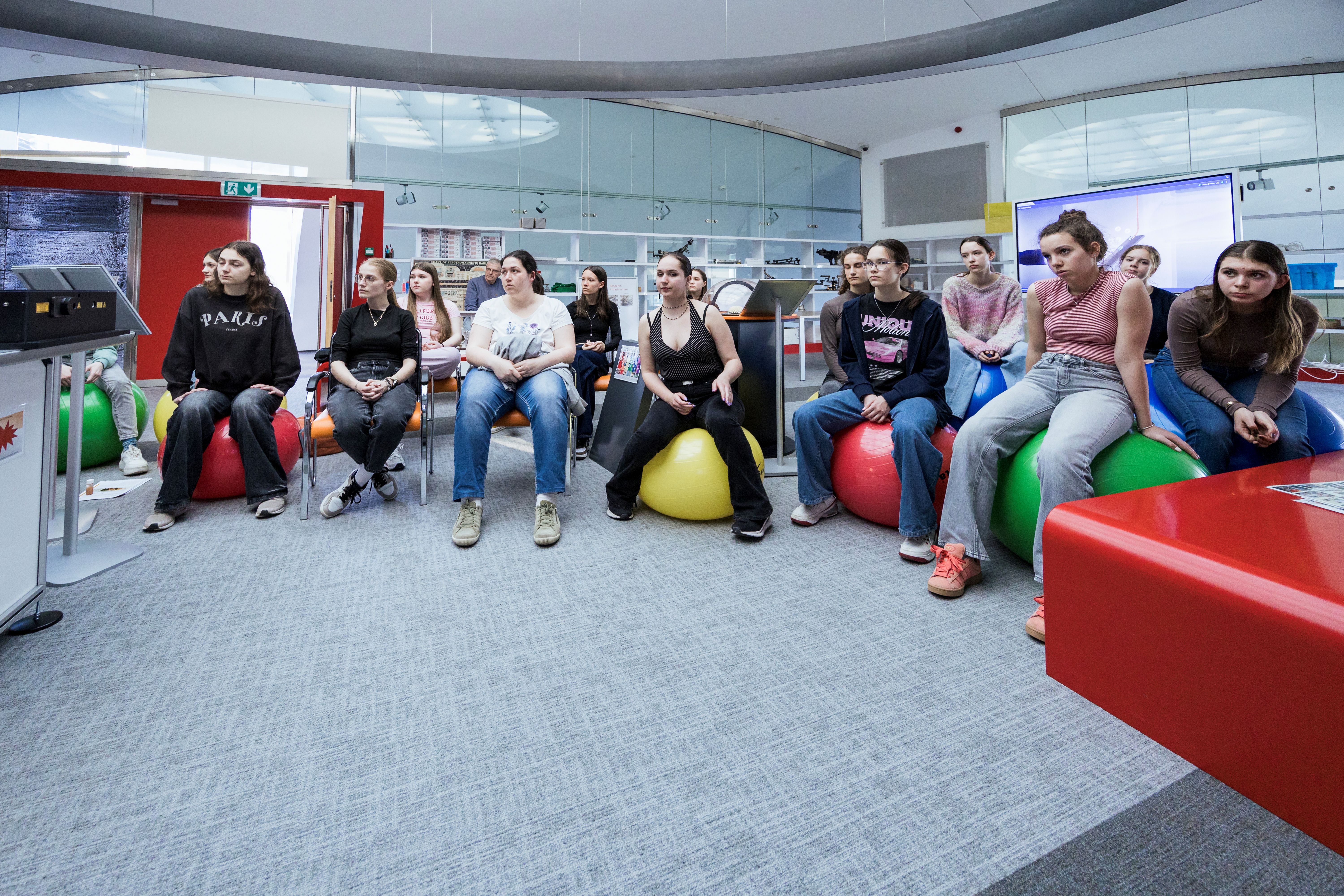
After the lab tours, our physicists gathered the girls in Fókusz, our interactive visitor space for an informal discussion. Vera Horváth, who organized the Girls’ Afternoon event, presented the life of a researcher based on the experiences of our female colleagues. When asked, whether looking back, there was anyone in their lives without whose support they might not be in this field today, our physicists mentioned their teachers and supervisors. The happiest days of their careers included the days when they defended their PhD dissertations and attended their first conferences. They had a similar experience when delivering their first English-language presentations abroad, after which physicists they had previously known only as authors of articles approached them to ask about their results.
What helps them overcome these challenges is the knowledge that they can count on their colleagues for support, who make them feel that they are not alone. If something does not work out, they can deal with the problem again the next day. And sometimes, they have to let go of a task that seems unsolvable and make room for new ideas.
According to Júlia Dudás, many people think that all that exists for researchers is science, and that they take their work home with them. She believes it is possible to find a healthy balance between work and personal life. Experimentation is the most exciting part, but there are also monotonous tasks, such as reading scientific papers.
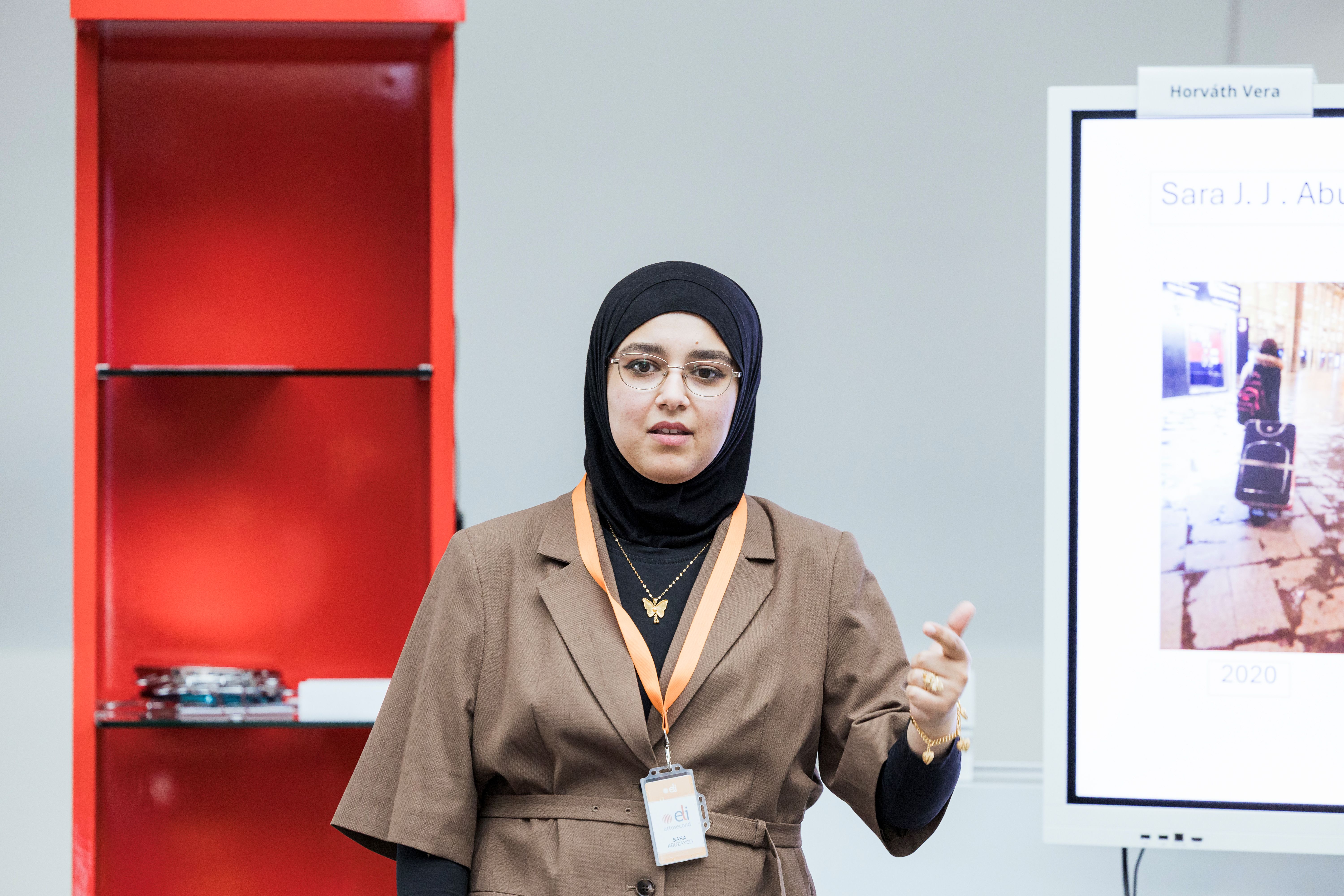
“I never thought I would be able to travel abroad, since I don’t come from a wealthy family,” Sara J. J. AbuZayed said with a smile. She is of Palestinian descent and has been a member of our team since 2025.
Thanks to her outstanding academic achievements and scientific curiosity, Sara has travelled to several countries – Belgium, Switzerland, the Netherlands, France, and Germany. Throughout her career, she has met with distinguished researchers, including Nobel laureates, which has further strengthened her inspiration and dedication. As she said, she is able to work in an environment where significant scientific achievements are made, and where she is surrounded by opportunities for development and creativity every day. She believes that female researchers not only contribute to science but also set an example for their children.
According to our colleagues, the essential attributes of a good researcher include an excellent command of English, curiosity, and outstanding communication skills to be able to convey their knowledge while remaining aware that people outside their narrow field do not possess that knowledge. Realistic self-knowledge, stress tolerance, a willingness to collaborate, and a sense of responsibility are also necessary in addition to solid professional knowledge. In addition, humbleness is beneficial, and the ability to work in a team is essential.
The participants’ personal stories also showed that behind every scientific career there are often supportive teachers, inspiring role models, and hard work.
We are glad you joined us, and we look forward to seeing you – and all secondary school students interested in science – at our next event!
Photos: Gábor Balázs